










Cat wellness monitoring at home comes down to knowing your cat's normal across a few everyday signals, water intake, litter box habits, weight, appetite, and behavior, so you notice when something drifts. Cats are experts at hiding illness, a survival trait that makes subtle changes easy to miss. The owners who catch problems early are rarely doing anything dramatic. They simply pay attention to the right daily signs and keep track over time.
This guide brings together the threads from the rest of this entire series into one simple routine that's easy to stick to.
Why does home monitoring matter so much for cats?
Cats instinctively hide weakness, which once kept them safe from predators but now keeps their owners in the dark. By the time a cat is obviously unwell, a condition has often been building quietly for a while. Home monitoring flips that around. It gives you a running sense of your cat's baseline, so a small shift stands out while it's still small.
This isn't about diagnosing anything yourself. It's about noticing changes early and bringing clear information to your veterinarian, who can act far more effectively with real data than with a single worried phone call.
The core signals to watch
Effective monitoring means keeping a steady eye on a handful of things:
Hydration and water intake
Water is the base of feline health. Watch whether your cat drinks consistently, and support their intake with a fountain and moisture-rich meals. A sudden rise or drop in drinking is worth noting, since both can signal a change.
Litter box habits
Frequency, volume, and consistency in the litter box reveal a lot about hydration, kidney function, and urinary comfort. Learn your cat's baseline urination patterns and watch for changes that persist. Straining with little result is a signal that needs prompt attention.
Weight and body condition
Gradual weight loss is one of the most common early signs of illness in cats, and one of the easiest to miss day to day. Check in regularly by feel, run your hands along the cat's ribs and spine, and note any steady change up or down.
Appetite and eating
How much and how eagerly your cat eats is a reliable barometer. A cat turning away food, or suddenly eating much more, is telling you something. Wet feeding can help here too, both for hydration and for keeping older or picky cats interested.
Behavior and energy
Hiding more than usual, less grooming, changes in sleep, or new irritability can all be early flags. You know your cat's personality better than anyone, which makes you the best behavior monitor they have.
Which changes mean call the vet now?
Most of home monitoring is about slow trends, but a few signs call for prompt action rather than watchful waiting. Treat these as reasons to contact your veterinarian quickly:
-
Straining to urinate with little or nothing coming out: This can signal a urinary blockage, which is a genuine emergency, especially in male cats.
-
Not eating for 24 hours or more: Cats who stop eating can develop liver problems fast, so appetite loss is more urgent in cats than in many other pets.
-
Repeated vomiting, or vomiting paired with lethargy
-
Labored or open-mouth breathing
-
Sudden hiding combined with weakness or a hunched, painful posture.
Everything else in this guide is about noticing gentle drift over days and weeks. This short list is the other end of the scale, the signs worth acting on the same day. You now have enough knowledge to relax about small stuff and act quickly about potentially serious issues.
How to build a simple monitoring routine
You don't need spreadsheets or daily anxiety. A sustainable routine looks like this:
-
Learn the baselines: Spend a couple of weeks noticing what normal looks like for your cat.
-
Do a quick daily glance: Water, litter box, appetite, and energy take only a moment to eyeball while you go about your day.
-
Do a slightly deeper weekly check: Add a hands-on weight and body-condition feel, and take a look back at the week's litter box pattern.
-
Write down anything that shifts: A note on your phone is enough. Patterns are easier to see, and more useful to your vet than memory.
-
Maintain regular checkups: Home monitoring supports professional care, it does not replace it. Yearly exams, or twice yearly for seniors, are important.
Where knowing makes it easier
The true challenge with home monitoring is consistency. Life gets busy, and the slow, subtle changes can be easily missed. This is where a little automation earns its place.
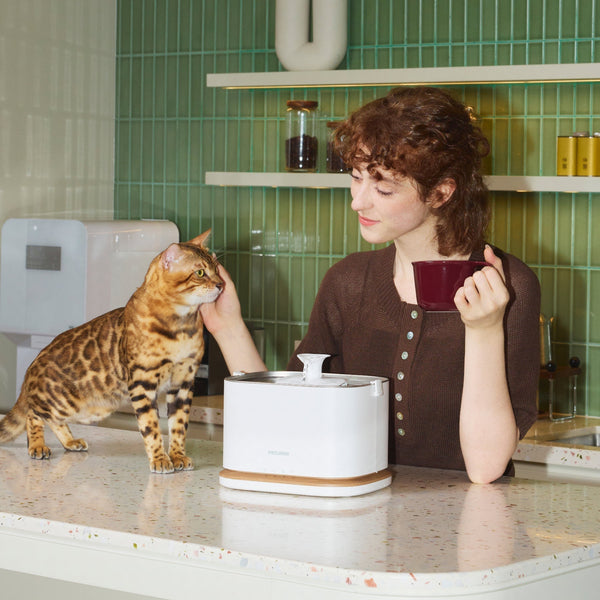
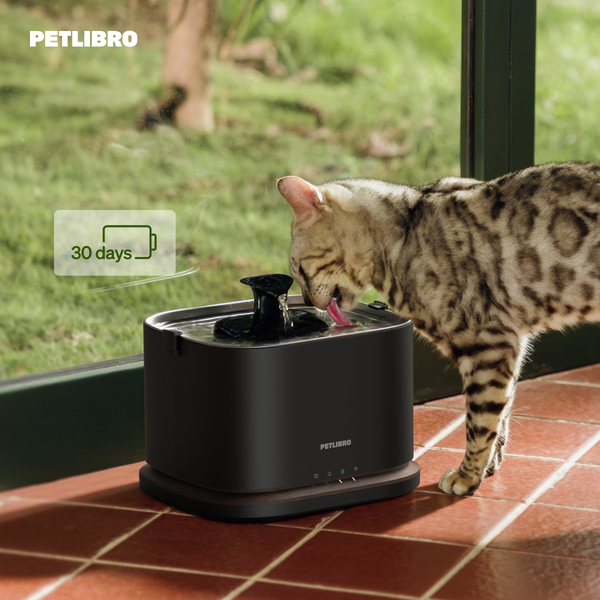
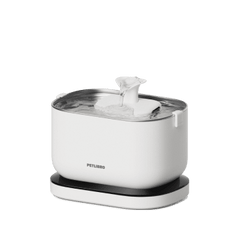
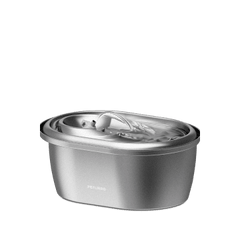
Connected tools can watch the signals that are hardest to track by yourself. A fountain like the Dockstream 2 can log how much and how often your cat drinks. A smart litter box like the Luma Smart Litter Box recognizes each cat in the home, logs their visits, tracks weight, and flags the unusual, so multi-cat households can finally know who did what. It turns scattered daily moments into a record you can actually see, which is the whole point of monitoring in the first place.
That's the shift this series keeps coming back to. Moving from guessing to knowing doesn't mean worrying more. It means noticing potential issues sooner, with less effort, so you can act while a change is still small.

The takeaway
Good cat wellness monitoring at home is really just informed attention. Learn your cat's normal, glance at the core signals daily, check in a little deeper weekly, and write down what changes. Pair that habit with your regular vet care, lean on automated tools like the Dockstream 2 Smart Fountain and the Luma Smart Litter Box, and you'll give your cat the best chance of a long, happy life. It starts with hydration, and it grows into knowing your cat well enough to know when something's off.