










As we kick off our Spring Health series, the first step toward a seasonal reset begins with the body’s most essential need: hydration. Proper hydration is a cornerstone of pet health care, yet many pet parents struggle with a common cat trait: as a desert-adaptive species, they have a low thirst drive and rely on prey/food for hydration. As you refresh their routines for the season, it’s helpful to think proactively about how to keep your pet hydrated.
Understanding how to hydrate a cat—and more specifically, how to hydrate a cat that won’t drink water—is about more than just filling a bowl. It’s about working with your cat’s instincts and using the right technology to drive long-term vitality.
The Power of Moving Water
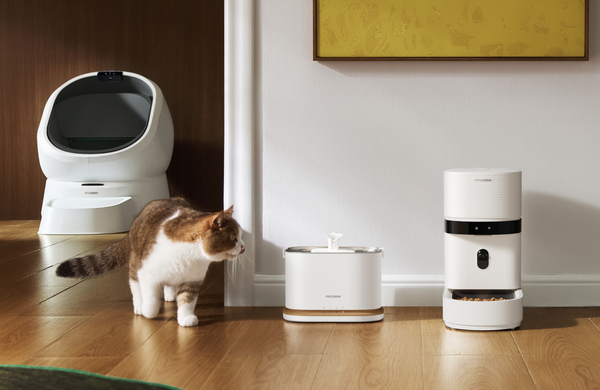
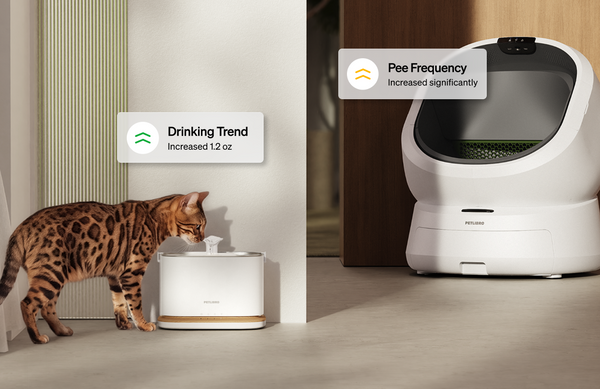
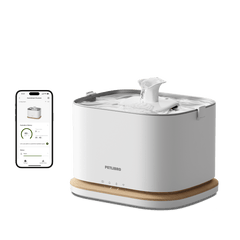
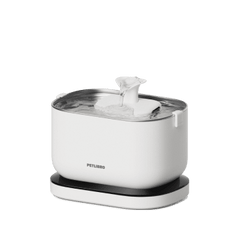
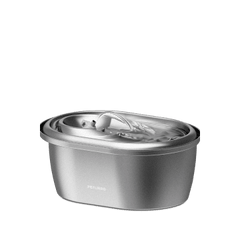
In the wild, still water often signals stagnation. Many cats have a natural preference for running streams, making a cat water fountain a game-changer for cat hydration.
- Why it works: Drinking fountains provide oxygenated, moving water that attracts cat’s senses through sight and sound. Movement makes water more noticeable and engaging than a traditional bowl. Additionally, cats do not necessarily enjoy their whiskers consistently coming into contact with the bowl. Water fountains allow cats to hydrate without their whiskers touching the bowl.
- The Benefit: A well-designed water fountain filters out impurities, providing fresh, crisp water for instant hydration.
Hydration Through Nutrition
Another helpful strategy for improving cat hydration is incorporating moisture-rich foods into your cat’s routine. Wet cat food typically contains 75–80% moisture, making it a powerful tool for maintaining fluid balance during your spring health refresh.
-
The Routine: If you are wondering how much wet food to feed a cat, it depends on their weight, but even small daily amounts boost baseline hydration.
-
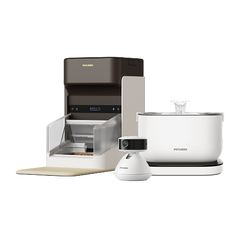
Smart Solutions: A cat auto feeder for wet food or a specialized wet food cat feeder ensures your pet receives moisture-rich meals at the exact right time, maintaining the consistent patterns that drive holistic health.
Optimizing the Flow
“Water is the most important nutrient for cats, supporting vital functions such as digestion, nutrient transportation, joint lubrication, and body temperature regulation. Cats possess a low innate thirst drive; therefore, ensuring sufficient hydration is crucial.” Kara M. Burns, MS, MEd, LVT, VTS (Nutrition), EveryCat Health Foundation Board Vice-chair
Mastering cat hydration is one of the most impactful daily adjustments you can make. Whether through a cat water fountain or a smart wet food cat feeder, these tools help you stay ahead of health issues before they start.
 Disclaimer: This content is created in collaboration with EveryCat Health Foundation's focus to facilitate and share evidence-based feline health information. Participation by EveryCat Health Foundation does not constitute an endorsement of any specific Petlibro products, services, or commercial offerings. EveryCat Health Foundation advances feline health by supporting groundbreaking research and education and does not treat individual pets. Please consult your DVM for any inquiries pertaining to your pet.