










The biggest cat hydration benefits are the ones you never actually see: steady kidney function, optimal urinary flow, comfortable digestion, and more consistent energy. Water plays a part in nearly every system in your cat's body. Hydration is the base layer that the rest of their wellness sits on. Supporting it is simple once you understand how cats are built to drink.

Why don't cats drink much water?
Domestic cats come from desert-dwelling ancestors who got most of their moisture from the prey they ate. Those ancient instincts are still alive in your cat today. Their thirst drive is naturally low because for most of feline history, food and water arrived together in the same meal. A cat eating only dry kibble misses that built-in moisture, and their thirst response often doesn't make up for it.
Put those two things together, a low thirst drive and a dry modern diet, and you get the quiet reason so many cats live under-hydrated without any obvious signs.
What are the real benefits of good hydration?
When your cat drinks enough, a lot of good things are going on in their system. Steady hydration supports:
-
Kidney wellness: The kidneys use water to filter waste from the blood. Enough sips help them do that work without extra strain. That matters when you consider that roughly 1 in 3 cats develop chronic kidney disease in their lifetimes, and about 80% of cats over 15 show signs of it.
-
Urinary comfort: Well-hydrated cats produce more dilute urine, which supports their urinary tract and bladder.
-
Digestion: Water helps move nutrients through the body and waste out of it, which keeps digestion comfortable and regular.
-
Energy: Hydration plays a role in circulation and in your cat's steady, day-to-day energy.
None of this calls for a dramatic change. It mostly comes down to making water more appealing by triggering their natural instinct for flowing water.
How much water does a cat actually need?
As a general guideline, cats need about 3.5 to 4.5 ounces of water per 5 pounds of body weight per day, counting food and drinking water combined. A cat on wet food is already partway there, since wet food is mostly made up of moisture. A cat on dry food has to make up nearly all of it by drinking.
Watch for the everyday signs. Gums should feel moist, not tacky. Skin should spring back quickly when you gently lift it at the scruff. Their energy and litter box habits should look consistent from one day to the next. A change in any of these is your cue to pay closer attention.
How can you tell if your cat is dehydrated?
Aside from the clues we talked about above, there are some other signs that tend to show up together: low energy, less interest in food, a dull-looking coat, or eyes that seem slightly sunken. The catch is that these are later signals. By the time they're obvious, your cat has usually been under-hydrated for a while. That's the real argument for prevention over reaction. It's far easier to keep a cat well-hydrated than to notice the moment they're not, which is exactly why the small daily habits below carry so much weight.
Simple ways to help your cat drink more
Small changes to the environment tend to work better than trying to change a cat's mind. A few that reliably help:
-
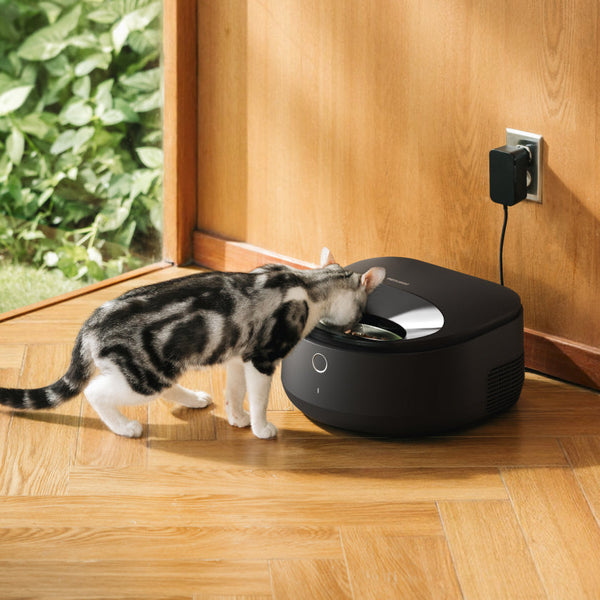
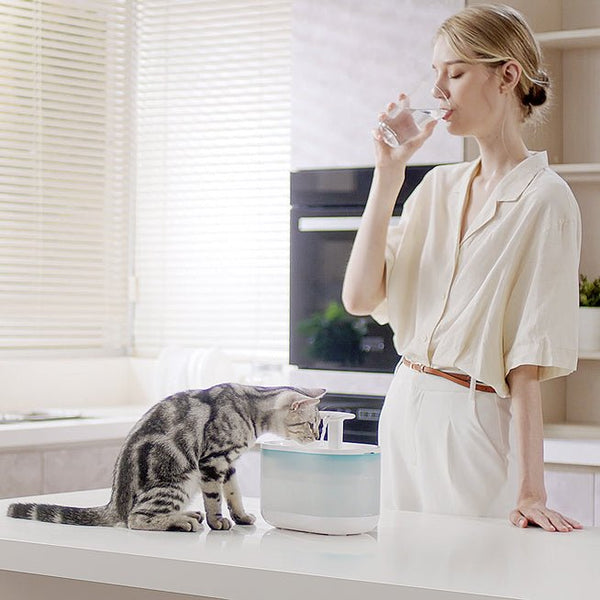
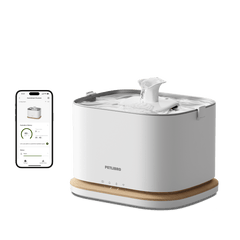
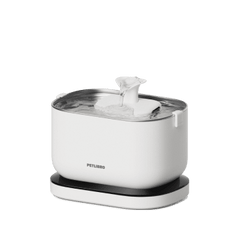
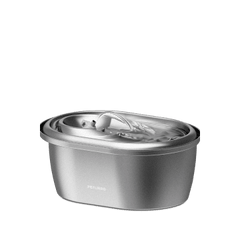
Offer moving water: Many cats prefer fresh, flowing water over a still bowl, another echo of favoring running streams in the wild. A pet fountain like the Dockstream 2 keeps water circulating and fresh, which encourages more frequent drinking.
-
Separate water from food: In the wild, cats avoid drinking near a kill to steer clear of contamination. Moving the water a little away from the food bowl can nudge them to drink more.
-
Use wide, shallow bowls: These ease whisker fatigue and let your cat keep an eye on the room while drinking.
-
Add a second water station: More than one source, placed in calm, easy-to-reach spots, means more chances to sip.
-
Lean on moisture-rich food: Adding wet food raises total water intake by a meaningful amount.
Moving from guessing to knowing
Here is the hurdle: hydration is hard to eyeball. You rarely catch your cat mid-drink, and the shifts that matter happen slowly. A little visibility changes that.
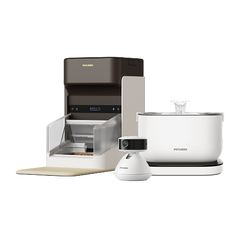
The Dockstream 2 Smart Fountain, for one, can track how much, how often, and how long your cat drinks, and it alerts you when they haven't had any water in 24 hours. That turns an invisible habit into something you can see. On the other end, a smart litter box like the Luma Smart Litter Box gives you insights on waste, so you get a fuller read on your cat's water balance. By actually getting data about trends, rather than guessing, is what lets you support wellness early.
The takeaway
Hydration isn't a niche worry or a problem to dread. It's the steady, foundational habit that protects your cat's kidneys, urinary health, digestion, and energy over time. Understanding why cats under-drink, how to make water more inviting, and giving yourself a way to see patterns forms a greater understanding of your cat's wellness.