Most cats are great at hiding when they're not feeling good, and they certainly can't tell you. As a result, alarming changes in their drinking habits can happen little by little, without obvious signs.
That's why making sure cats are hydrated enough is tricky for pet parents. You may be refilling the bowl every day and thinking everything is fine, but in reality it's hard to track their hydration levels. It's made even more difficult because cats naturally drink small amounts throughout the day.
Knowing what to look for and understanding why your cat isn't drinking enough can make a big difference in their wellness.
Why Isn't Your Cat Drinking Enough?
Not every cat avoids water for the same reason. For some, it's all about freshness. For others, it's the location of the bowl, changes in routine, or simply a preference for moving water. After all, their big cat relatives seek out flowing water because it's less bacteria-prone.
Following are a few common reasons your cat may be drinking less than usual (and you might not know it).
1. The Water Seems Stale or Gross
Cats can be surprisingly picky about water, and for good reasons.
Water that sits in a bowl too long can collect dust, hair, food residue, or even smells from your home. While it might look clean to you, your cat might see things differently.
The Solution
Start by getting that water flowing.
A fountain like the
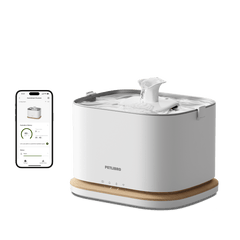
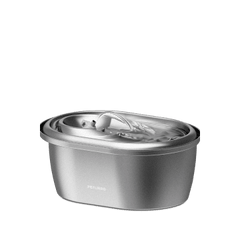
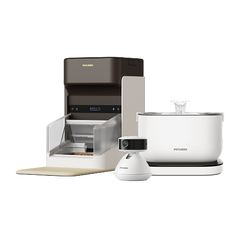
Dockstream 2 Smart Fountain keeps water moving throughout the day, which cats instinctively prefer over stagnant water.
To keep the water purer and better-tasting,
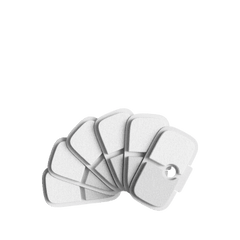
Dockstream Replacement Filters use a 4-layer vertical filtration system designed to reduce hair, heavy metals, and odors.
For the best performance, filters should be replaced about every two weeks. Going with a filter subscription is a stress-free option, ensuring you'll never run out.
2.The Water Bowl Is in the Wrong Spot
Placement matters more than you think.
Cats usually prefer drinking in quiet, low-stress areas. A bowl placed beside the litter box, next to loud appliances, or in a busy hallway might be enough to make some cats avoid it altogether.
The Solution
-
Place water in calm, comfortable areas
-
Keep it away from litter boxes and noisy spaces
-
Set up more than one drinking station around the home
Cordless designs like the
Dockstream 2 Smart Fountain let you put water in their favorite corner, without having to worry about being near an outlet.
3. Stress or Changes in Routine Can Affect Their Habits
Cats love routines. Environmental changes can sometimes throw them off and affect how much they eat or drink.
A move, a new pet, visitors in the house, or even changes to furniture layout can disrupt your cat’s built-in schedule.
The Solution
Try to keep food and water consistent and easy to access.
Some cats feel more comfortable when there are multiple water sources available, especially in larger homes or multi-pet households.
The Hardest Part: Most Owners Don't Know How Much Their Cat Drinks
You typically can't tell how much your cat drank, and a slightly lower water level can be deceiving. There could be a few reasons why the level has dropped, including:
-
The water evaporated during the day
-
Another pet drank from the same bowl
-
Your cat’s habits have slowly started changing over time
That's exactly why small hydration changes often go unnoticed at first, and can become a bigger problem later.
Why You Should Pay Attention to Their Drinking Habits
Changes in water intake are sometimes one of the first noticeable shifts in a cat’s routine, and a clue they're not feeling their best.
For example, some cats might drink noticeably more when dealing with conditions such as kidney disease or diabetes. Others might drink less because they're uncomfortable, stressed, or just not interested in stagnant bowls.
You might notice your cat near the bowl occasionally, but that doesn't give you a clear picture of whether their drinking habits are staying consistent week after week.
This is where visibility becomes valuable.
Smart fountains like the
Dockstream 2 Smart Fountain include an app that tracks daily water intake over time, making it easier to notice patterns or unexpected changes earlier. A good water tracker lets you check in on their hydration levels from anywhere, so you can stop guessing and start truly knowing how much they drink.
Wet Food Can Work Wonders
One thing that you can try is adding wet food to the mix. Wet food can be especially helpful because it contains a lot more moisture than dry food.
For busy pet parents, tools like the
Polar Smart Wet Food Feeder make a wet food routine easier by keeping food fresh and precisely portioned throughout the day, giving your cats access to more hydration.
Signs to Look Out For
Not every tiny change in their habits means that something's wrong. Cats might drink more or less depending on the weather, their activity level and diet.
Still, it's worth paying closer attention if you notice:
-
Your cat hasn't been drinking for more than 24 hours
-
Sudden increases or decreases in water intake
-
Changes in appetite or litter box habits
-
Low energy or unusual behavior
-
Signs of dehydration, such as dry gums
If these changes continue, the best thing to do is contact your veterinarian.
Final Thoughts
Helping your cat stay hydrated isn't just about keeping the water bowl full.
It's about creating an environment where drinking feels easy, appealing, and consistent, while giving you a better understanding of your cat’s daily habits.
Sometimes the biggest challenge isn't hydration itself. It's realizing that something has changed before it becomes a bigger problem.